Prosper police operate 234 Flock Safety cameras that logged nearly 800,000 vehicle plate reads in the past 30 days, according to the company's transparency portal. A U.S. Senate hearing on Sept. 23 detailed severe security failures in that same network.
A Chinese state-backed hacking group maintained a hidden backdoor in Flock's system for more than a year, cybersecurity engineer Benn Jordan testified before the Senate Judiciary Subcommittee on Crime and Counterterrorism, as first reported by Texas Scorecard. The group, called Flax Typhoon, exploited third-party misconfigurations that "can't be fixed by a file scan or security patch," Jordan said.
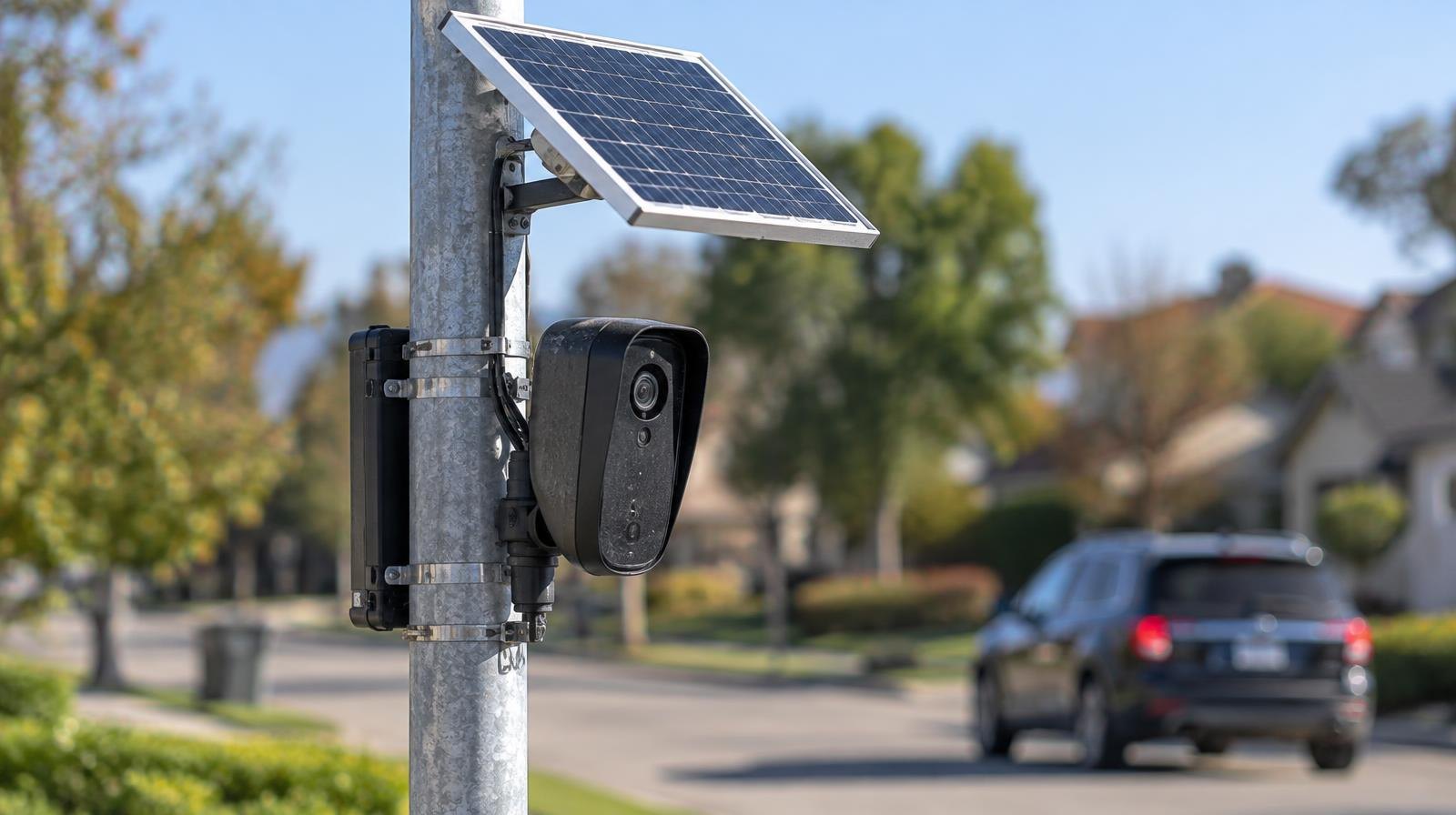
Prosper's Flock deployment includes license plate readers, live-feed cameras, mobile camera trailers, 911 streaming, traffic analytics and a real-time crime center platform, according to the department's Technology Transparency page.
No Prosper official has responded publicly to the hearing or to recent state-level restrictions on Flock cameras.
What the hearing revealed
The subcommittee hearing, titled "Always Watching: Flock's Nationwide AI Surveillance Network," was chaired by Sen. Josh Hawley, R-Mo. CEOs from Flock Safety, Axon Enterprise, Motorola Solutions and Verkada were invited but did not appear, the Dallas Express reported.
Jordan testified he researched Flock's security weaknesses in 2025 and found the company did not require clients to use multifactor authentication. That gap led him to Flock law enforcement accounts for sale by a Russian vendor on a Dark Web marketplace, he said. He also found exposed API keys, passwords and photos stored on the cameras.
Jordan told the panel he could view, delete and modify 30 days of streaming footage and zoom in on phone screens through 60 of Flock's newer Condor cameras. In Dunwoody, Ga., public-records requests showed Flock employees viewed cameras on their network more than 1,000 times, including cameras inside a Jewish community center and at a playground, he said.
Alasdair Whitney, legislative counsel for the Institute for Justice, testified that hackers who pulled a Flock camera off a pole copied its storage, recovered an encryption key left on the device and accessed about three weeks of footage showing roughly 50,000 vehicles.
Flock operates more than 120,000 cameras in 49 states and processes more than 20 billion vehicle scans each month, Whitney testified.
Wrongful arrest
Lindsey Isaacs told the subcommittee she spent 13 days in jail, including time in solitary confinement, after a Flock camera captured her vehicle a few miles from a fatal crash she had nothing to do with. She faced three counts of vehicular homicide and the possibility of life in prison.
"That piece of information became part of an investigation that ultimately led to my arrest on three counts of vehicular homicide and 13 days in jail for a crash I had nothing to do with," Isaacs said.
Prosecutors declined to prosecute Isaacs in May. The investigation led to charges against another individual.
Proposed legislation and Prosper's policy
Whitney proposed model legislation called the Protecting Everyone from Excessive Police Surveillance Act, or PEEPS Act. It would require a warrant for historical location data, cap data retention at seven days without a warrant, mandate supervisor audits every 30 days and make evidence obtained in violation of the act inadmissible.
Prosper's current policy stores all scans for 30 days and purges them if not saved in connection with a case. Users must enter a reason for each query, and those queries are audited by program management personnel, according to the department's transparency page. That 30-day retention window would exceed the proposed seven-day cap.
Texas pullback
Gov. Greg Abbott paused state funding for Flock cameras in August and directed the Texas Department of Transportation to stop issuing new permits for the cameras on state roads in September, as reported by the Associated Press. The permit freeze does not affect cameras already installed.
Neighboring Plano ended its Flock contract after the funding pause. Plano Police Chief Ed Drain said at a Sept. 14 council meeting that the department was "more concerned about what's going to happen in the upcoming Texas legislative session before we put a lot of money into Flock that may restrict our use on it," as reported by Community Impact on Sept. 17.
Texas lawmakers are expected to evaluate guardrails for automated license plate readers during the 2027 legislative session, according to Texas Scorecard. Whether Prosper will continue, modify or end its Flock contract remains unanswered.