Tariffs on metals and appliances could add roughly $10,900 to the price of a new North Texas home. A shortage of skilled tradespeople is stretching build times by up to two months, Dallas Builders Association President Matt Walls said.
Walls, who also owns Winston Custom Homes, told CandysDirt.com on Tuesday, Sept. 15, that the single-family market has been sluggish. Mortgage rates crossed 7% on Thursday, Sept. 10, keeping many prospective buyers on the sidelines.
The squeeze matters in Prosper and Celina, two of the most active new-construction markets in the region. Celina alone issued 218 single-family home permits in May, with an average home valuation of $577,635, according to the Celina Record, citing the city's development services report. In the broader Prosper-Celina area, 229 homes sold from July 2025 through July 2026, down from 242 the year before, Community Impact reported. A majority of those sales fell in the $400,001–$700,000 range.
As we reported Sept. 14, falling D-FW median prices have given local buyers more leverage. But builders say the cost of putting up a house has not followed prices down.
Walls cited a National Association of Home Builders (NAHB) estimate from 2025 that tariffs add about $10,900 per home through higher prices for metals, appliances and other imported materials. One bright spot: lumber prices are the lowest in years, though Walls attributed that to weak demand rather than policy relief.
"Lumber companies are just trying to get rid of their lumber," Walls told CandysDirt.com. "They've got way too much."
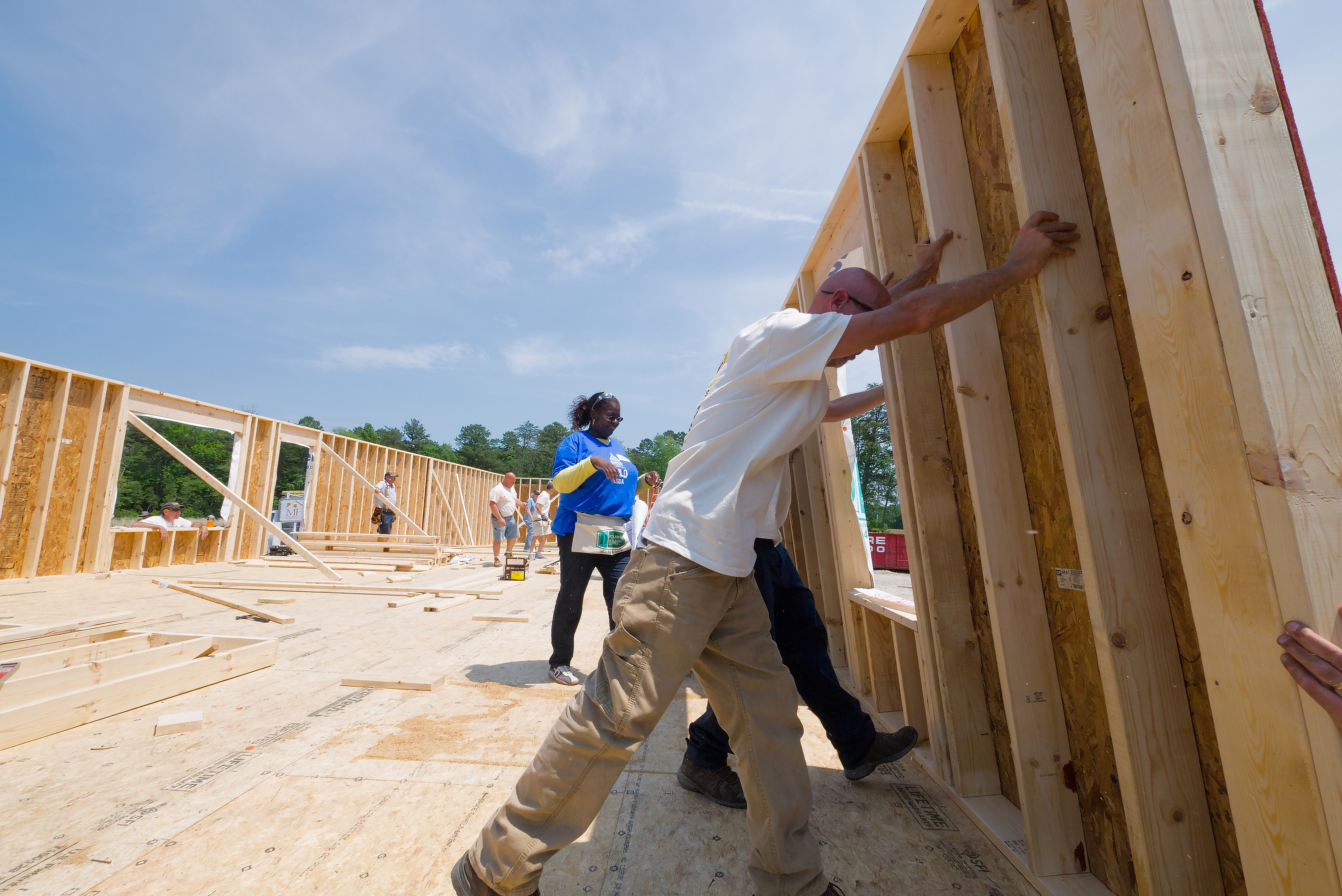
Labor is the other bottleneck. A missing plumber, electrician or masonry helper can stall an entire build, forcing the builder to absorb extra financing and carrying costs. Walls said his long relationships with subcontractors have shielded Winston Custom Homes from the worst delays. Larger builders that depend on a broader labor pool have felt a bigger hit.
A new national initiative called the Alliance for America's Skilled Trades, backed by BlackRock, Carhartt, Ford and Google, aims to expand workforce training for the construction industry.
Nationally, the picture is dim. New home sales fell 10.5% in July to a seasonally adjusted annual rate of 607,000, according to NAHB data. NAHB Chief Economist Robert Dietz said the single-family market is on track for a second consecutive annual decline in 2026, with sales down more than 4% year to date. Builder confidence, measured by the NAHB/Wells Fargo Housing Market Index, stayed below 40 for a 16th straight month in August, and 35% of builders reported cutting prices.
Walls said municipal fees and permitting costs have not eased either, despite frequent city discussions about streamlining development.
"I don't see where we're getting any cost breaks from cities right now," he said. "It's just been the opposite."