A private Christian microschool near the Celina-Prosper border has grown from four students to 145 in roughly two years, as first reported by the Celina Record.
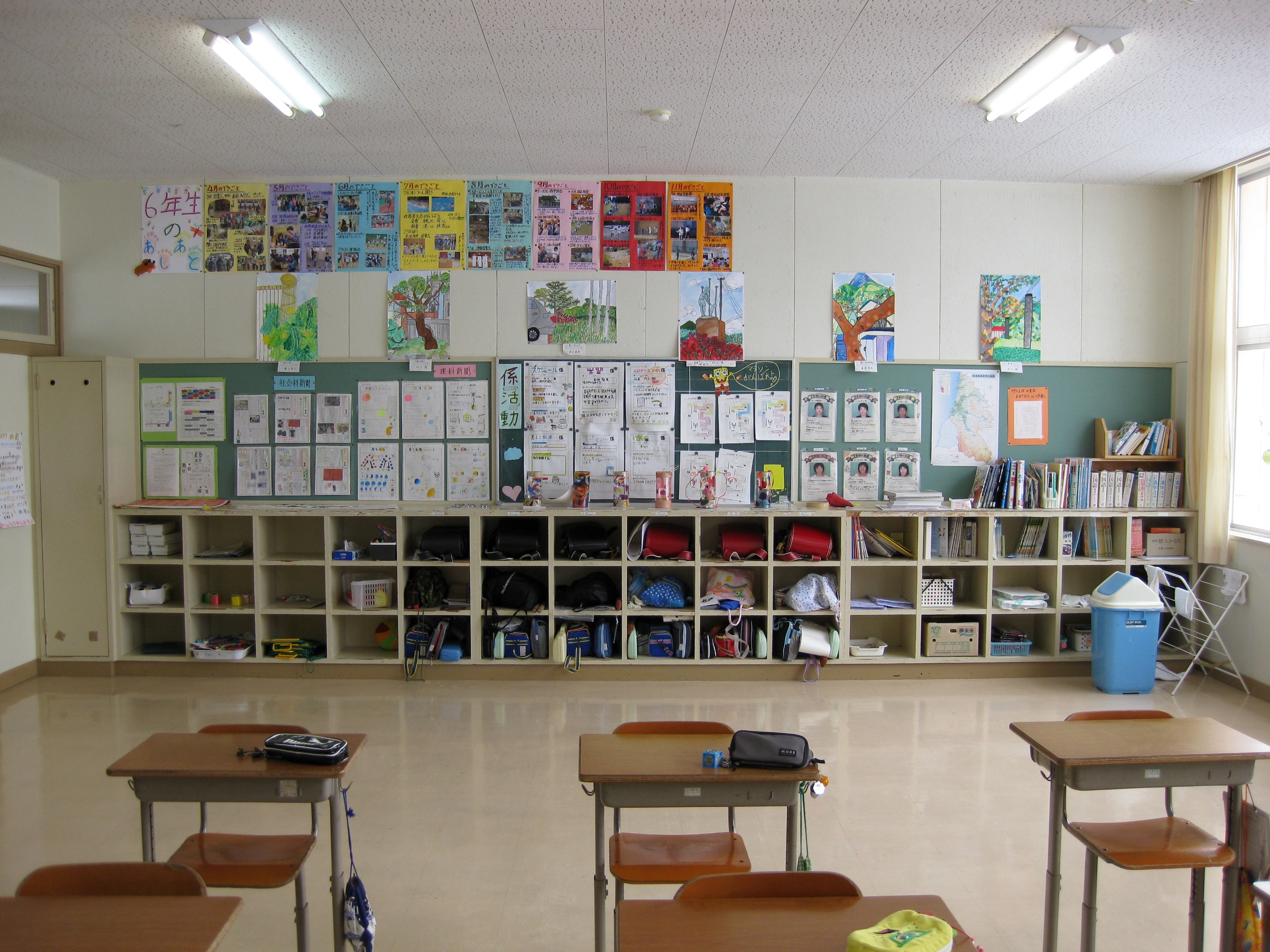
The Anchored School, led by Principal Diana Jones, sits on South Coit Road, which straddles the two cities. The school uses a mixed-age classroom model where students of different grades learn side by side. The Celina Record described a classroom flanked by dinosaurs, books and student-made crafts.
In a Sept. 8 Instagram post, the school described itself as small enough for every child to be known individually rather than counted. The school is accredited by Cognia, a national accrediting body, and its social media pages list its grade range as nursery through at least eighth grade, though one listing extends it through 12th.
The school opened in 2024.
That growth mirrors the broader boom in Celina. U.S. Census Bureau estimates released May 14 ranked Celina the No. 1 fastest-growing city in America among cities with populations of 20,000 or more, with a 24.6% increase between July 2024 and July 2025 that brought its population to 64,427. Celina ISD enrollment hit 6,354 students in 2026, a 170% increase since 2016, according to Texas Education Agency data reported by the Dallas Express.
The Celina Record reported that The Anchored School uses Texas Education Freedom Accounts (TEFA) funds as part of its enrollment model. The Legislature created the $1 billion TEFA program through Senate Bill 2 in 2025. Families who enroll qualifying students in accredited private schools can receive $10,474 per student for the 2026-27 school year. Students with disabilities and an active Individualized Education Program (IEP) may receive up to $30,000. Homeschool families may receive $2,000.
Some 274,183 students registered for TEFA by the March 31, 2026, deadline, according to LMT Online. Of those applicants, 77% were already enrolled in private schools. Texas rules require private schools to be accredited and operating for two years before they can receive voucher funds, according to the San Antonio Report.
Microschools are a growing segment nationally. A May 2025 study by the National Microschooling Center found average class sizes at microschool campuses rose from 16 to 22 students between 2024 and 2025, with an estimated 1 to 2 million students enrolled nationwide, as reported by the San Antonio Express-News.