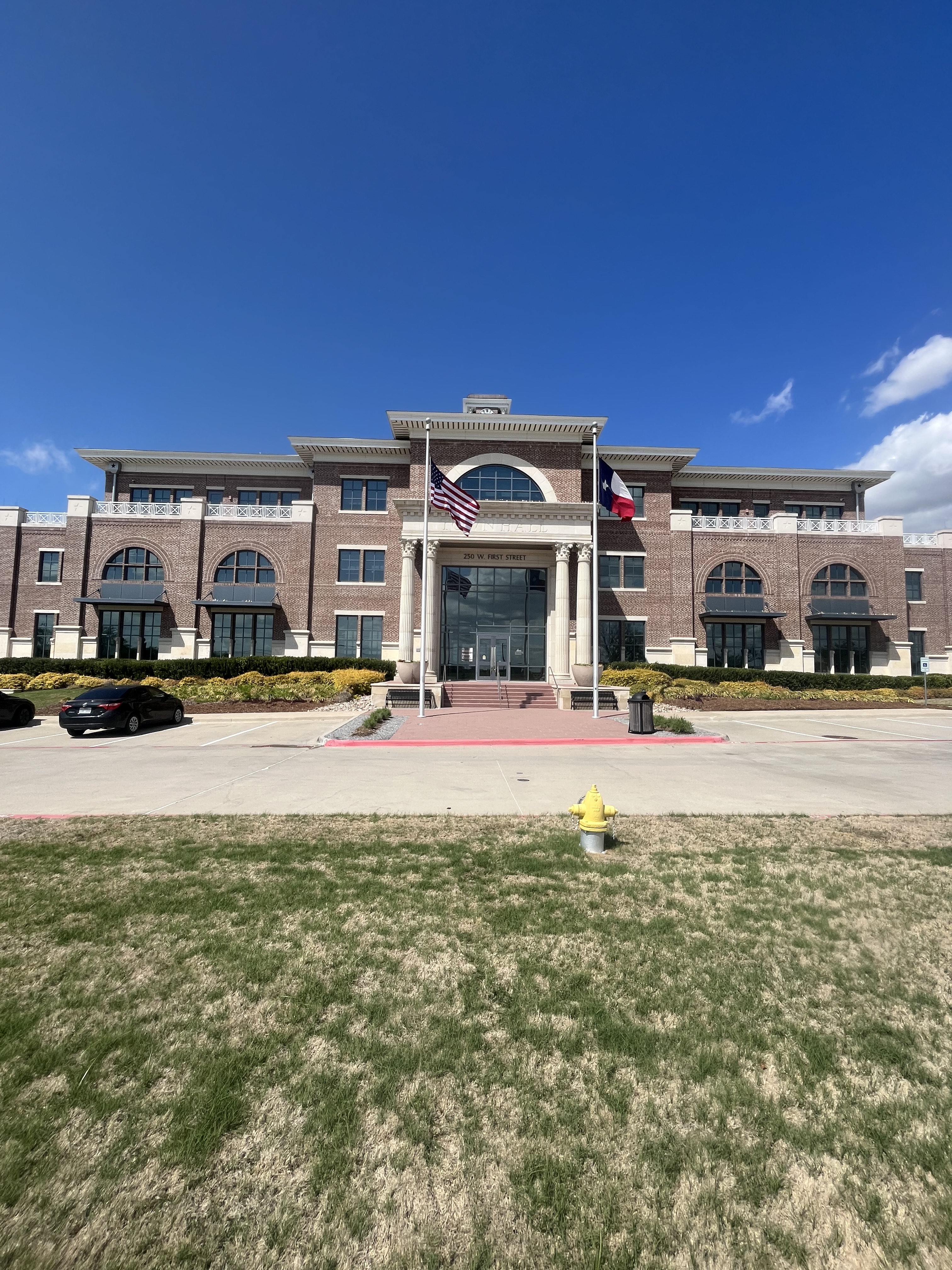
The Celina City Council adopted a $529.1 million budget Tuesday, Sept. 8, cutting the average resident's monthly city bill by 3.1%.
The fiscal year 2026-27 spending plan is a $146 million jump from the current year's $382.7 million budget, according to Community Impact. Council also approved a property tax rate of $0.571677 per $100 of property valuation, down from $0.576401.
The bottom line for the average homeowner: total monthly city charges drop from $468.15 to $453.45. The average monthly property tax bill alone falls from $289.95 to $277.48, and the monthly solid waste fee drops from $21.71 to $19.48. Water, wastewater and stormwater fees remain unchanged.
Part of that relief comes from declining home values. The average taxable value of a Celina home fell from $603,648 to $582,454, according to a presentation City Manager Robert Ranc gave Aug. 11. The city still expects to collect 13% more in property taxes because of new homes and businesses added to the tax roll.
49 new hires, including firefighters and officers
The budget adds 49 full-time employees. In the general fund, 39 new positions include nine firefighters and paramedics, 10.5 law enforcement officers and support staff, 11.5 employees for the Downtown Center opening in February 2027, four development-related staff, three service positions for Ousley Park and one facilities maintenance technician.
The nine firefighters will let the Celina Fire Department move from three-person to four-person crews. Mayor Ryan Tubbs called the vote a milestone for the fire department in a Facebook post after the Sept. 8 meeting. Another 10 employees will join water, wastewater and drainage operations through the utility fund.
Ranc's Aug. 11 budget proposal also included $1.9 million for compensation and benefits for existing employees, with $831,547 to keep public safety salaries competitive across Dallas-Fort Worth. Whether those figures changed in the final adopted budget is unclear.
Growth outpacing commercial tax base
Ranc warned that Celina's residential growth has left commercial development behind. The city's population grew 119% between 2022 and 2026, but sales tax revenue is projected to grow only 71% over the same span.
That gap is widening.
"Because we've grown so fast, commercial development simply has not had enough time to catch up to our residential growth," Ranc said at the Aug. 11 meeting.
Nearly one-third of the general fund comes from one-time development fees, such as zoning applications and building permits. Roughly half of the city's raw sales tax in FY 2026-27 will go toward paying out economic incentive agreements along Preston Road, where retailers like Lowe's and Home Depot received deals to expand into Celina. Home Depot opened in August.
The budget is adopted and in effect.