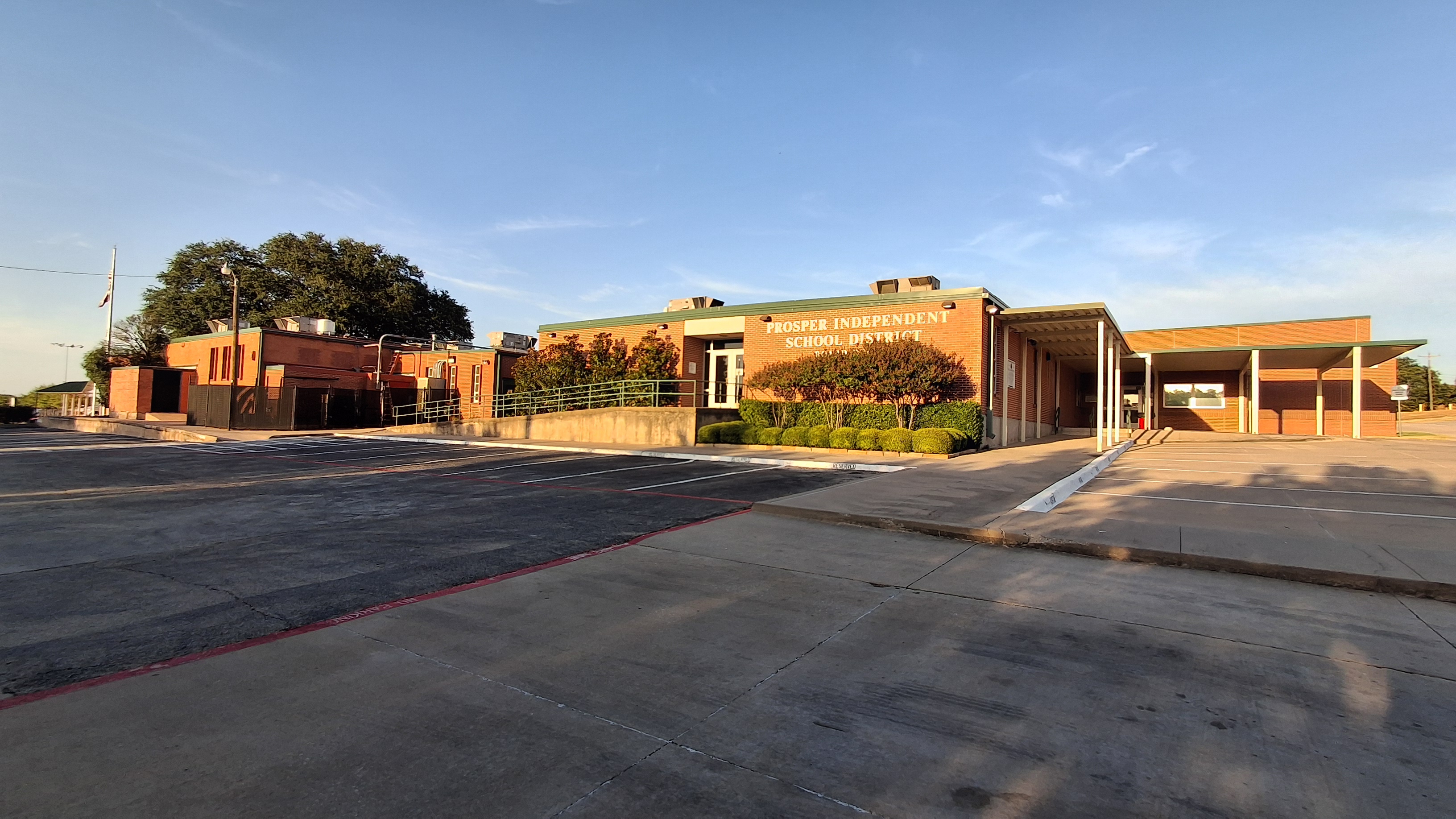
Prosper ISD will face a state review of how it spends taxpayer money after Texas Comptroller Don Huffines selected the district for an audit examining whether public funds reach classrooms.
Huffines announced the selections Monday, Oct. 5, naming Prosper alongside Austin, El Paso and Barbers Hill school districts. The four were chosen from more than 1,200 public school districts and charter systems statewide, CBS Austin reported.
Gov. Greg Abbott requested the review in August, asking Huffines to pick up to four districts of varying sizes and locations. Abbott pointed to Austin ISD and El Paso ISD as examples where enrollment had dropped while administrative spending per student climbed. No Prosper-specific spending data was cited.
The review will check whether district spending complies with state law and whether funds go toward students, classrooms and teachers rather than administrative expansion or non-instructional costs, according to the comptroller's office. Huffines plans to complete the report by Dec. 31, giving the 90th Texas Legislature, which convenes in January, time to act on any recommendations.
"We don't want a big administrative bloat," Huffines told Texas Scorecard. "They just keep piling on more costs that aren't going to the classroom."
Prosper ISD enrolled 33,583 students in 2025-26, making it the second-smallest of the four districts under review. Austin ISD has 69,074 students, El Paso ISD has 46,244 and Barbers Hill ISD has 8,088. The comptroller's office has not publicly explained why Prosper was chosen beyond the general criteria of geographic and enrollment diversity.
The review arrives as Prosper ISD navigates budget pressures tied to rapid growth. The Board of Trustees adopted a 2026-27 budget on June 16 projecting $433.4 million in expenses against $408.3 million in revenue, according to district records. The $25.1 million gap will be covered by the district's existing fund balance.
Personnel costs account for 80.3% of the total budget, or $347.9 million. To close earlier shortfalls, the district identified $21.5 million in savings through measures including the delayed opening of Watkins Middle School, staffing adjustments and reductions in department budgets. The district added about 1,800 students in 2025-26, roughly half the prior year's growth rate, which reduced state funding below projections.
Abbott has also proposed legislation requiring districts to spend at least 70% of their funds in the classroom. That proposal would require the state's lowest-performing districts to undergo comprehensive comptroller audits.
No public response from Prosper ISD leadership has appeared as of publication. The district is also in the process of selecting a new superintendent, having named a finalist on Oct. 5.