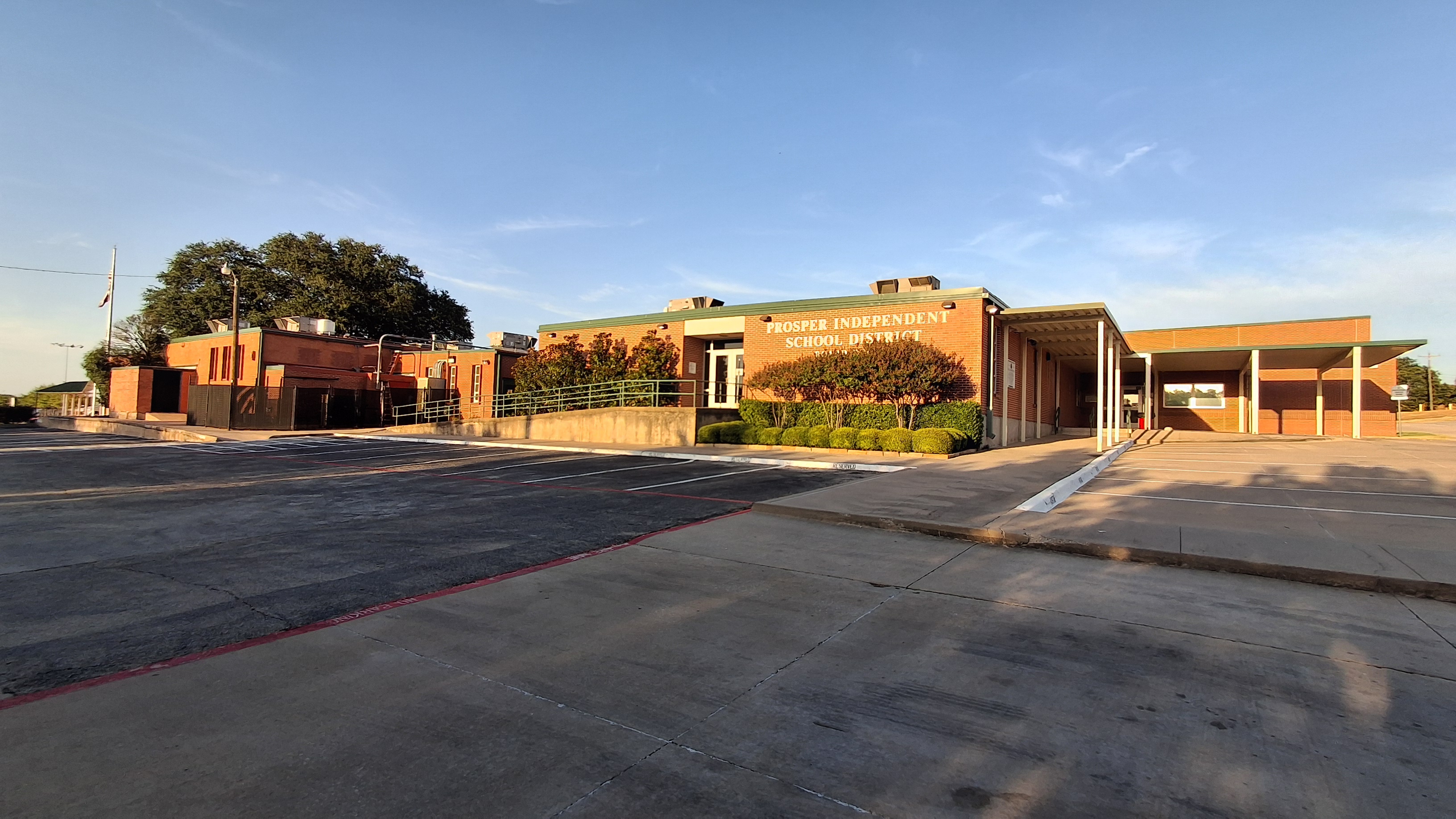
Prosper ISD and Celina ISD families could see school property tax bills vanish under Gov. Greg Abbott's campaign plan. State officials peg the cost at $8.6 billion a year.
Tetyana Melnyk, chief revenue estimator for the Texas Comptroller's Office, told the House Ways and Means Committee on Tuesday, Sept. 15, that homeowners pay about $8.6 billion of the $29 billion in total school tax revenue collected statewide, Community Impact reported. The remaining revenue comes from commercial and industrial property taxes. Melnyk said the annual cost of replacing homeowners' share is expected to grow to $12 billion by 2032.
That figure would land on top of the $51 billion Texas is already spending on property tax relief in the 2026-27 state budget, about 15% of the state's $338 billion budget.
What it means locally
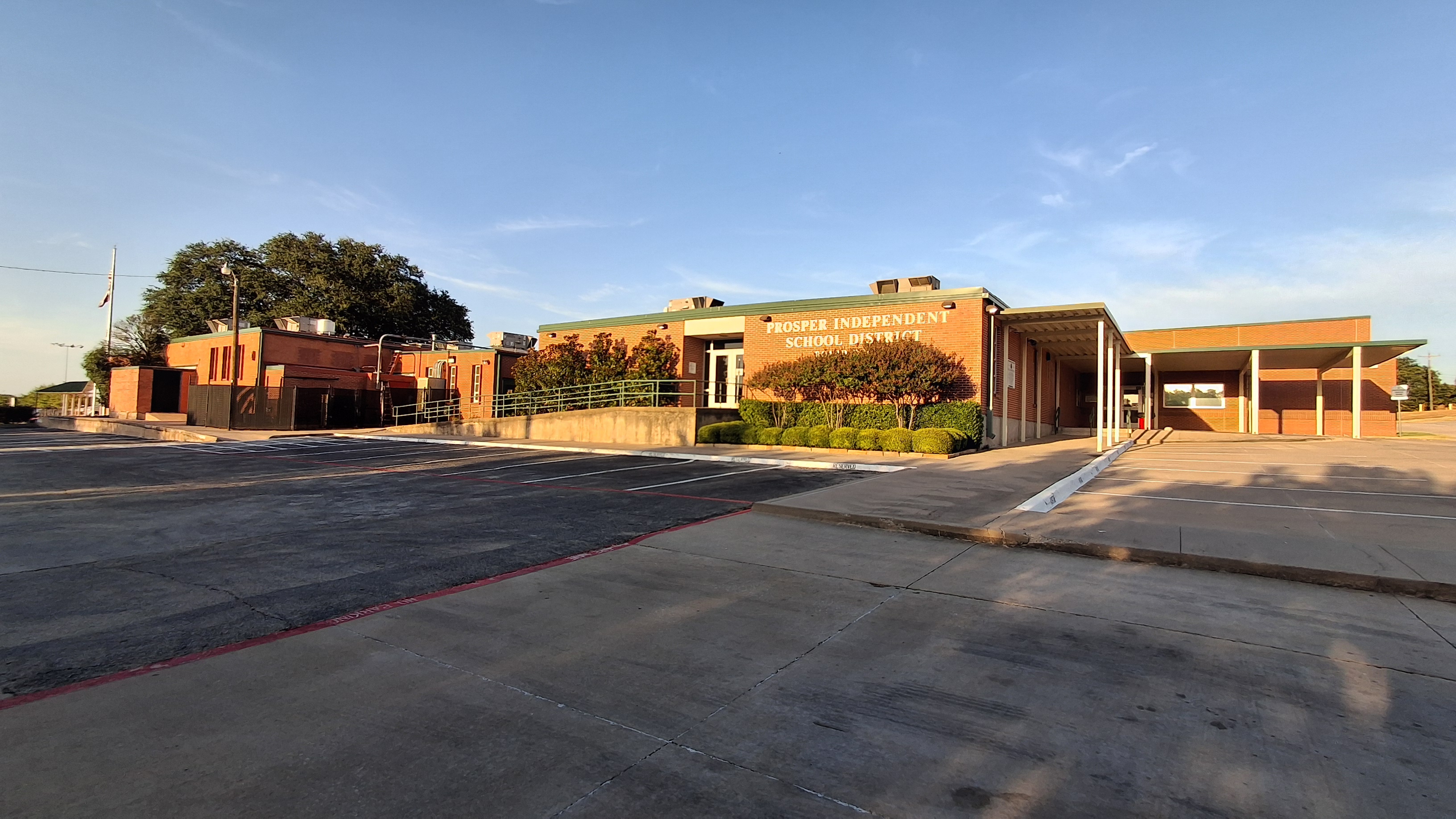
Both Prosper ISD and Celina ISD have been compressing tax rates for years as state law requires districts to lower rates when property values rise. Prosper ISD's board approved a total tax rate of $1.2011 per $100 valuation on Aug. 24, the lowest in district history, according to a district board recap. The maintenance and operations rate dropped from $0.7141 to $0.7011, saving a homeowner with an unchanged home value about $13 a year.
Celina ISD adopted a $131.92 million budget at a tax rate of $1.20890 per $100 valuation on June 22, its third straight year with no deficit, according to the Celina Record.
Under state law, when property taxes are reduced through state action, the state must send districts money to replace the lost revenue. Neither Prosper ISD nor Celina ISD has commented publicly on the elimination proposal.
Statewide debate
The average Texas homeowner under 65 pays $896 a year in school property taxes, according to an analysis state Sen. Paul Bettencourt, R-Houston, presented to the Senate Local Government Committee on Sept. 1. Nearly 40% of homeowners paid nothing in school taxes in 2025 after recent increases to homestead exemptions, which now cover the first $140,000 of a home's value. Seniors and people with disabilities receive a $200,000 exemption.
At a Sept. 1 event in Pasadena, Abbott said the amount homeowners pay their local school district in property taxes should eventually drop to zero for as long as they own the house, as the Houston Chronicle reported.
Not everyone is sold.
State Sen. Molly Cook, D-Houston, warned at the same Sept. 1 committee hearing that the plan amounts to a deferred financial obligation the state hasn't secured funding for, arguing the surplus that funded current exemptions is gone. Budget analysts have echoed that concern. Abbott and legislative leaders directed nearly all state agencies to cut base budget requests by 3% for the 2028-29 biennium in summer 2026.
What comes next
Eliminating school property taxes would require a constitutional amendment, meaning two-thirds support in both legislative chambers and a majority of Texas voters. In 2025, some Abbott-backed constitutional amendments failed because House Democrats, who hold 62 seats to Republicans' 88, blocked the two-thirds threshold.
The 2027 regular legislative session is scheduled to begin in mid-January. Abbott faces voters in November before any legislation can advance.