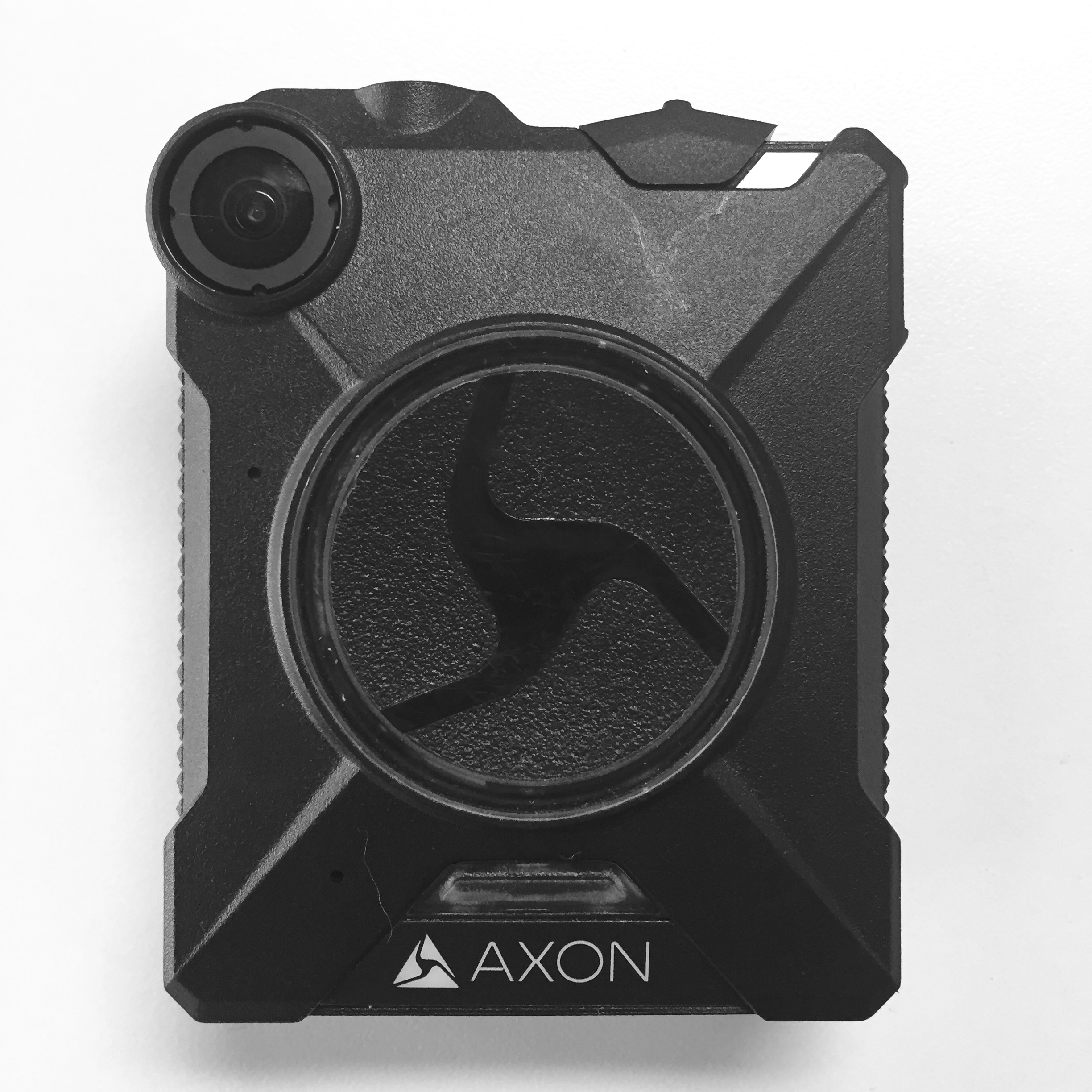
Celina police will get drones, license plate readers, AI software and updated body cameras under a deal worth roughly $10 million. The Celina City Council approved the 10-year Axon Enterprise contract at an Oct. 13 meeting.
The deal covers hardware and software upgrades for the Celina Police Department, Community Impact reported. It locks in 2026 prices for the full decade and includes a growth plan providing equipment for 10 new officers and five new patrol vehicles each year, Police Chief John Cullison said.
The hardware package includes body cameras, dash cameras, the latest generation of Tasers, 16 Automated License Plate Reader (ALPR) pole cameras and a virtual reality training simulator. The two outlets covering the deal differ on some details: Community Impact reported the contract at $9.95 million with six drones total, split between three patrol drones and three first-responder drones. Star Local Media reported the value at up to $9.96 million with three first-responder drones.
The 16 ALPR cameras can read license plates, stream live video and identify vehicle details like a broken taillight, according to Cullison's council presentation. The cameras can be repositioned and will be placed at high-theft areas such as retail centers and construction sites, Cullison said.
They will join 49 existing license plate readers from Flock Safety, a separate vendor. Unlike the Flock cameras, which capture only still images and share data with other agencies, the new Axon cameras will stream live feeds that Celina police will not share with outside departments, Cullison said.
"If you're going to be a forward-leaning, proactive kind of police department that's actually addressing crime, disorder and traffic safety, you need to embrace technology, but you can do so in a responsible manner," Cullison said.
The department already uses patrol drones and has for roughly 15 years, Cullison said. The first-responder drones will be new. An officer must decide to launch one, and once deployed, the drone can fly itself to its destination. The department plans to house them at strategic locations across the city.
Cullison said the department will log every drone deployment and eventually create a public dashboard for the program, similar to one it already maintains for its Flock Safety devices.
On the software side, the contract includes Fusus, a platform that integrates data from body cameras, dash cameras, pole cameras and drones into one system. Other tools include AI that can draft reports from video footage, AI that can redact videos for public information requests and virtual reality training simulators.
Not everything will roll out at once. Cullison estimated the pole cameras would take about a year to deploy. The first-responder drone program would need an additional year or two after that.
Cullison said the city will likely need its own 911 dispatch center within two or three years instead of routing calls through the Collin County Sheriff's Office. The Axon contract includes AI software that could screen 911 calls once that center opens, though Cullison said his team has not decided whether to use it.